Some posts on Synderella Slims may contain affiliate links. Affiliate links means that sometimes if you click through to a website and register or purchase something I have recommended, I may get a commission from that sale at no extra cost to you. Thank you for your support
Embarking on a new diet can be an exciting journey toward a healthier lifestyle. However, one common challenge that many individuals face while dieting is constipation. These tips to manage constipation will help with the changes in eating habits causing issues with your bowel movements. When you reduce your calorie intake and limited food choices it can contribute to digestive issues.
Fortunately, there are several strategies you can implement to alleviate constipation and maintain a smooth digestive system while dieting.
In this blog post, we will explore some effective tips to help you deal with constipation while on a diet.
Tips to Manage Constipation

Stay Hydrated
Adequate hydration is essential for maintaining regular bowel movements.
When dieting, it’s crucial to consume an ample amount of water throughout the day. Water helps soften the stool, making it easier to pass through the digestive system.
Aim for at least eight glasses of water per day, and consider increasing your intake if you exercise or live in a hot climate.
Increase Fiber Intake Gradually
Dietary fibre plays a significant role in promoting healthy digestion and preventing constipation. However, when you abruptly increase your fibre intake, it can lead to bloating and gas.
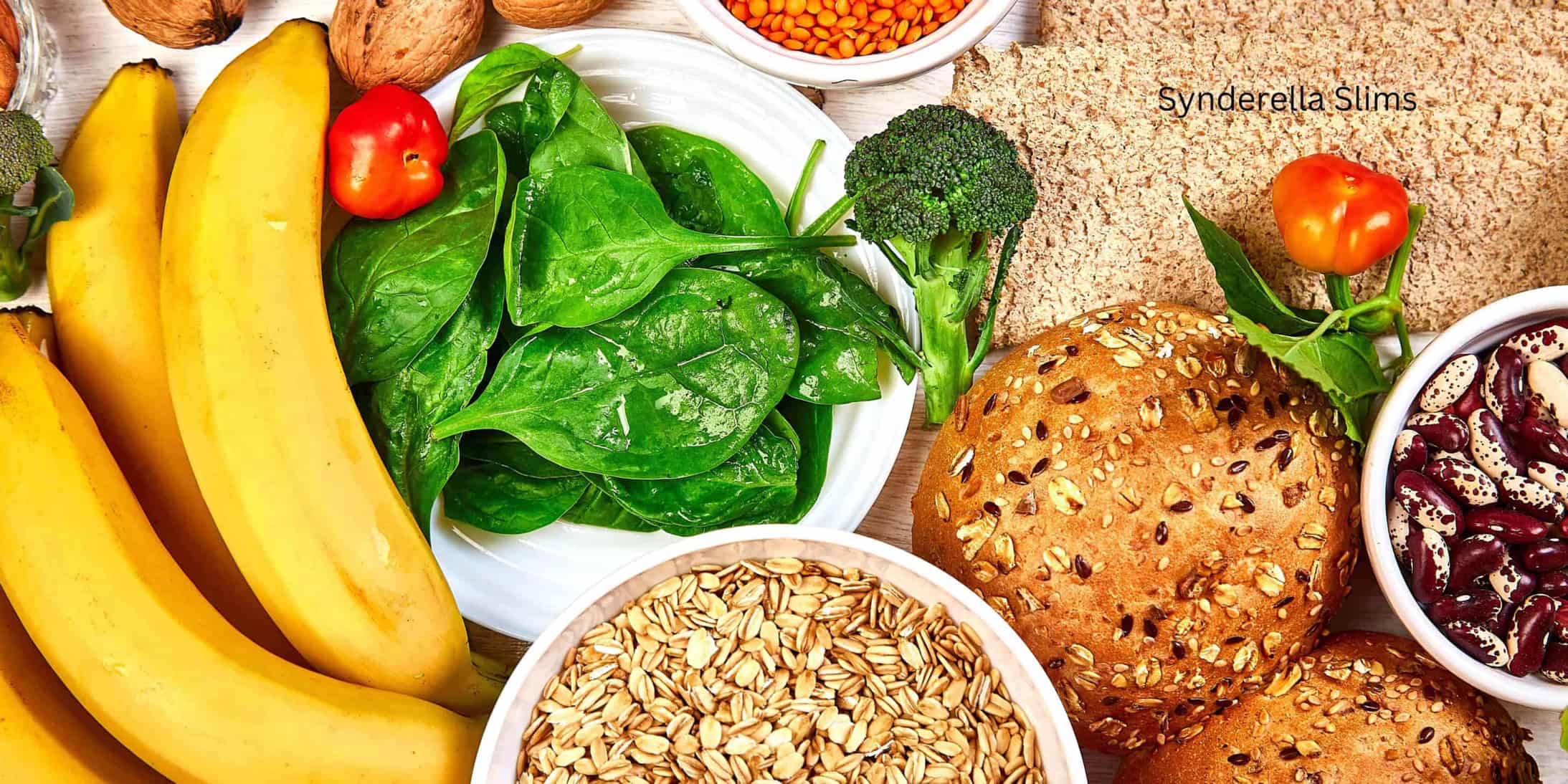
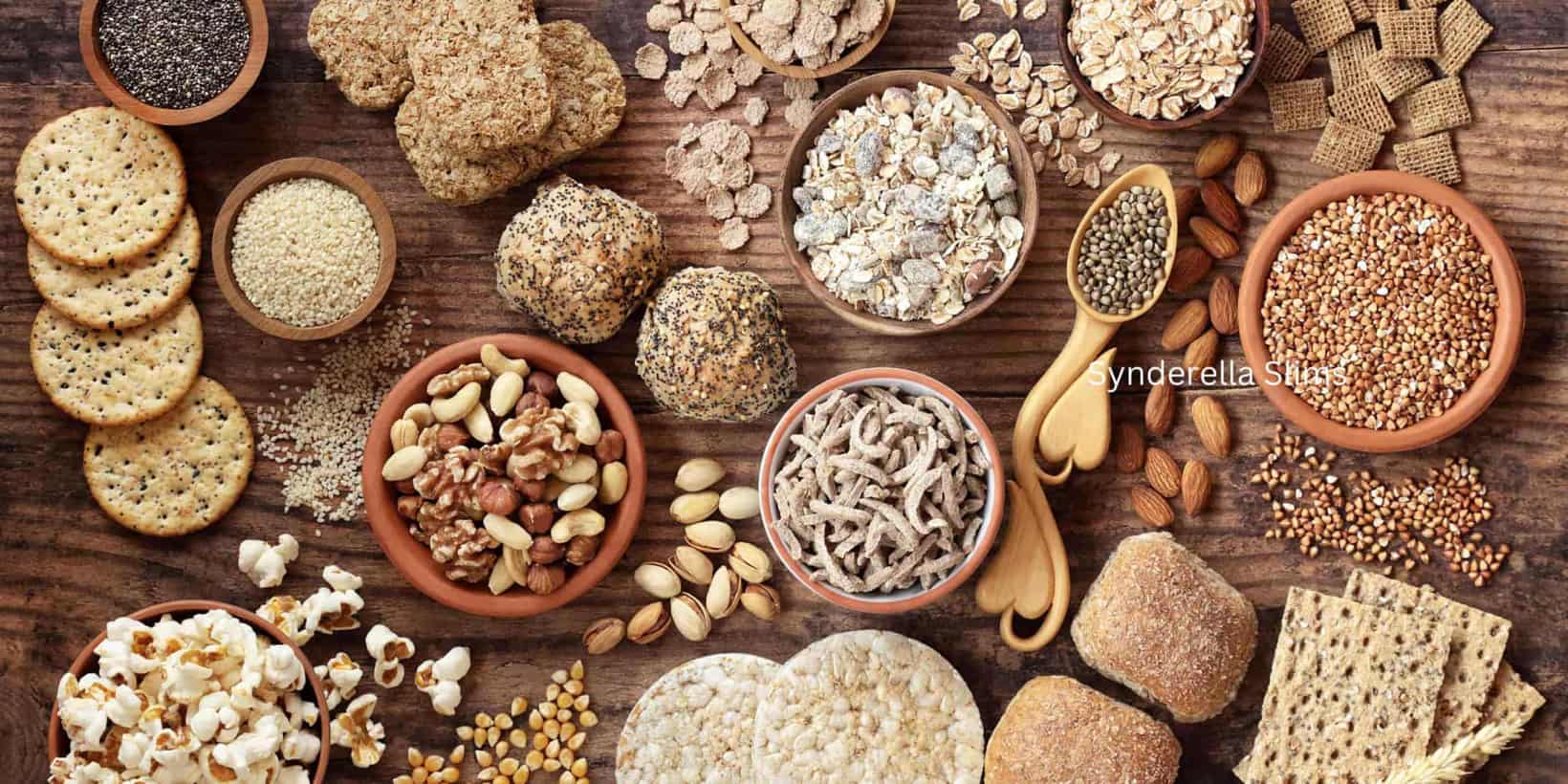
To avoid this, gradually introduce high-fibre foods into your diet. Opt for fibre-rich foods such as fruits, vegetables, whole grains, legumes, and seeds. These provide essential nutrients while promoting regular bowel movements.
Choose Fiber Supplements
If it’s challenging to meet your daily fibre requirements solely through diet, you can consider incorporating fibre supplements into your routine.
Psyllium husk, for example, is a popular natural fibre supplement that can help soften the stool and improve bowel regularity. Start with a small dosage and gradually increase it while monitoring your body’s response.
Remember to drink plenty of water when taking fibre supplements to prevent potential blockages.
Be Mindful of Low-Carb Diets
Low-carbohydrate diets, such as the ketogenic diet, can sometimes contribute to constipation.
These diets limit carbohydrate-rich foods, which are often good sources of dietary fibre. To counteract this, include low-carb, high-fibre options like leafy greens, avocados, and flaxseeds in your meals.
Additionally, staying well-hydrated is especially important when following a low-carb diet to support bowel movements.
Exercise Regularly
Physical activity is not only beneficial for weight management but also for maintaining a healthy digestive system.
Regular exercise stimulates intestinal contractions, helping to move waste through the bowels. Engage in activities you enjoy, such as walking, jogging, or cycling, for at least 30 minutes a day.
Even simple lifestyle changes like taking the stairs instead of the elevator or going for a post-meal stroll can aid in preventing constipation.
Manage Stress
Stress and anxiety can have a significant impact on your digestive health.
When you’re stressed, your body’s natural rhythm can be disrupted, leading to constipation. Incorporate stress-reducing techniques into your daily routine, such as deep breathing exercises, meditation, yoga, or engaging in hobbies that help you relax.
By managing stress, you can support a healthy gut and alleviate constipation.
Avoid Overuse of Laxatives
While laxatives may provide temporary relief, it’s important not to rely on them as a long-term solution. Overuse of laxatives can lead to dependency and a weakened colon.
Instead, focus on natural remedies and lifestyle changes to improve your bowel movements. If constipation persists despite dietary and lifestyle modifications, consult a healthcare professional for further evaluation and guidance.

Dealing with constipation while dieting can be challenging, but with the right approach, it is manageable.
By following these tips, you can maintain a healthy digestive system, support regular bowel movements, and enjoy the benefits of your diet without discomfort.
Remember, everyone’s body is unique, so it may take some time to find the right balance that works for you. Be patient, make gradual changes, and listen to your body’s needs for a smoother and more enjoyable dieting experience.
