Some posts on Synderella Slims may contain affiliate links. Affiliate links means that sometimes if you click through to a website and register or purchase something I have recommended, I may get a commission from that sale at no extra cost to you. Thank you for your support
As women, we are all too familiar with the monthly phenomenon of our menstrual cycle. Alongside the familiar symptoms of cramps, bloating, and mood swings, it’s common for you to experience weight gain during your period.
While it can be frustrating to see those numbers on the scale creep up, it’s important to understand that weight gain during this time is a common occurrence and is primarily due to hormonal fluctuations.
In this blog post, we will delve into the reasons behind period-related weight gain and offer tips on how to manage it effectively.
Weight Gain During Your Period
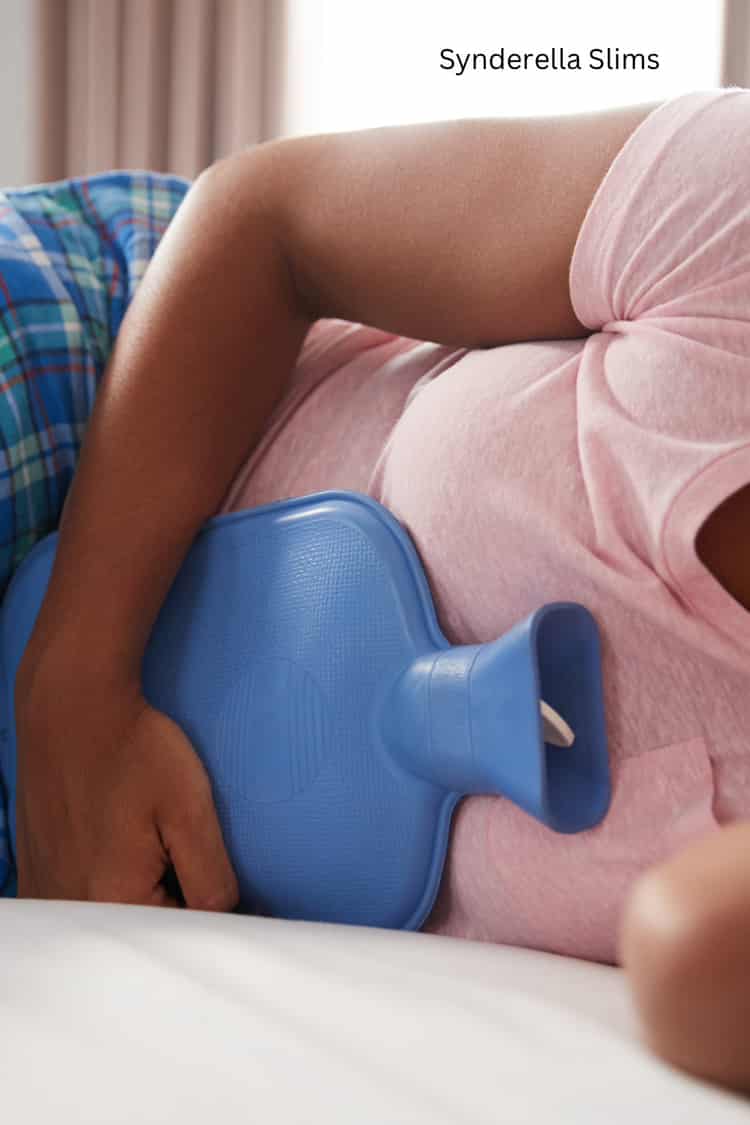
Water Retention
One of the main culprits behind weight gain during your period is water retention, also known as edema.
Hormonal changes, particularly an increase in estrogen and progesterone levels, can cause your body to retain water. This excess fluid buildup can lead to feelings of bloating and swelling, particularly in the abdominal area, making you feel heavier and your clothes tighter.
Increased Appetite and Food Cravings
Hormonal imbalances during your menstrual cycle can also affect your appetite and food cravings.
Many women experience an increase in appetite, particularly for high-calorie, carbohydrate-rich foods. These cravings are often a result of fluctuating serotonin levels, which can affect mood and lead to emotional eating.
Giving in to these cravings may result in temporary weight gain, but it’s important to remember that it is mostly due to temporary water retention rather than actual fat gain.

Metabolic Changes
The hormonal fluctuations that occur during your period can also influence your metabolism. Some women may notice a slight decrease in their metabolic rate during this time, which can contribute to weight gain. Additionally, changes in estrogen levels can affect insulin sensitivity, potentially leading to difficulties in blood sugar regulation.
This can impact how efficiently your body burns calories, making it easier to gain weight.
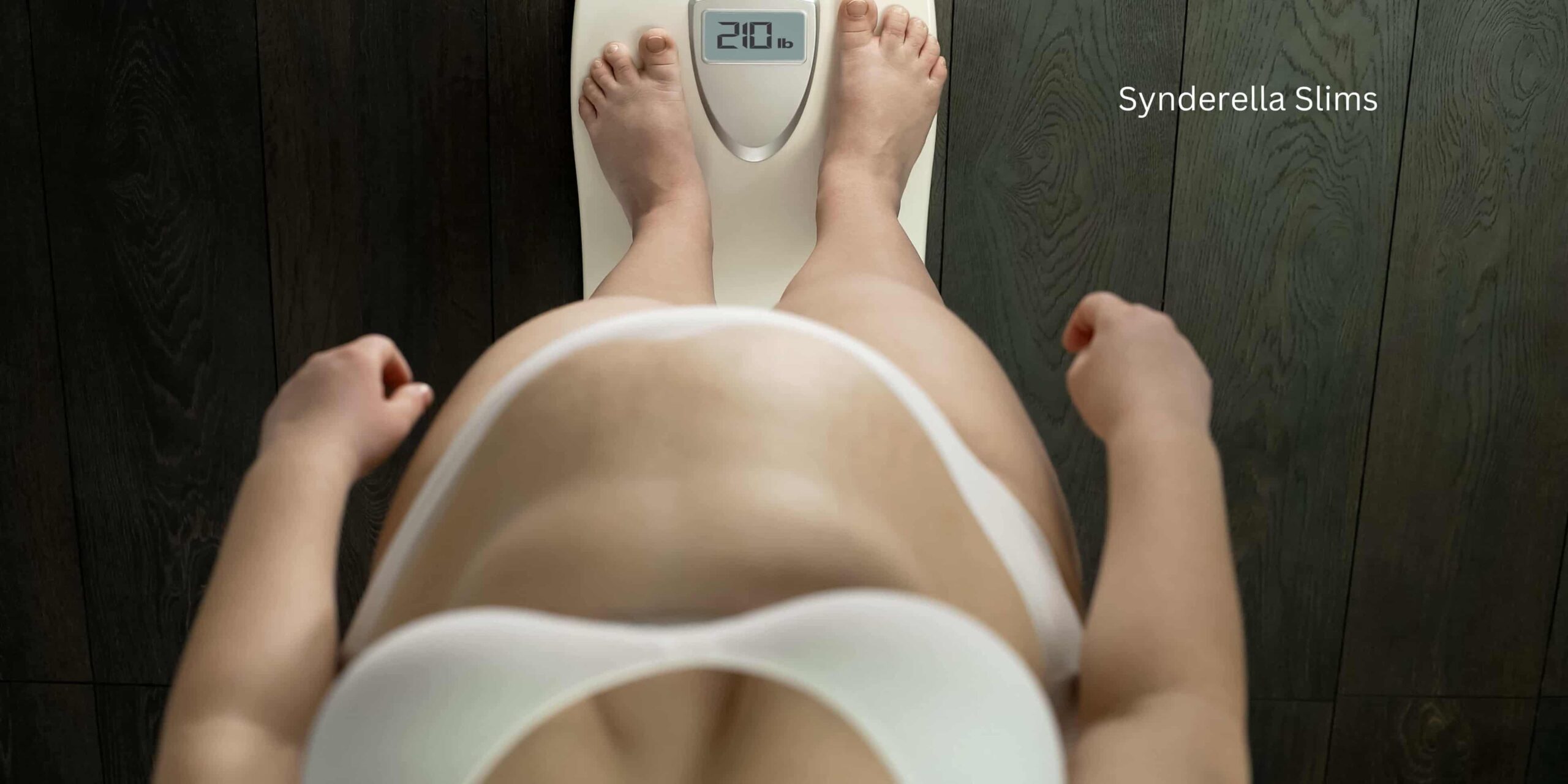
Managing Weight Gain During Your Period
While it’s impossible to completely prevent weight gain during your period, there are strategies you can employ to minimize its effects:
- Stay Hydrated: It may seem counterintuitive, but drinking plenty of water can help flush out excess fluids and reduce bloating. Aim for at least 8 glasses of water per day.
- Choose Nutrient-Dense Foods: Opt for whole grains, lean proteins, fruits, and vegetables, which provide essential nutrients while keeping you full. Incorporating foods rich in potassium, such as bananas, avocados, and leafy greens, can also help regulate fluid balance.
- Engage in Regular Exercise: Physical activity can help alleviate symptoms associated with menstruation, including water retention and mood swings. Regular exercise, such as aerobic activities and strength training, can also boost your metabolism and promote overall well-being.
- Manage Stress Levels: Stress can exacerbate hormonal imbalances, leading to increased cravings and emotional eating. Incorporate stress management techniques like deep breathing, meditation, or engaging in activities you enjoy to help maintain a balanced emotional state.
- Track Your Cycle: Understanding your body’s patterns and changes during your menstrual cycle can help you anticipate and manage weight fluctuations more effectively. Several mobile apps are available to help you track your period, symptoms, and moods.

Fluctuating Weight Is Normal
Weight gain during your period is a normal and temporary phenomenon caused by hormonal fluctuations, water retention, and increased appetite. By understanding the underlying factors and implementing strategies to manage these changes, you can minimize the impact on your weight and overall well-being.
It’s important to recognize that every woman’s experience with weight gain during her menstrual cycle can be unique. Factors such as genetics, lifestyle, and overall health can influence the extent of weight gain. It’s crucial not to compare your experience with others and focus on your own body’s needs and well-being.
Remember, it’s essential to embrace self-care, listen to your body’s needs, and maintain a balanced approach to both physical and emotional health throughout your menstrual cycle.